


Bronze is non-magnetic.
Remember, the main compositions of bronze are copper and tin. Both copper and tin are non-magnetic materials.
Factors Making Bronze Non-magnetic

Atomic Structure
Unpaired electrons are needed for magnetism, but bronze is an alloy of copper and tin. However, all the atoms in bronze tightly clasp electrons, which neutralize each other’s magnetic fields.
Electron Flow
Bronze’s electrons are all firmly bound in their orbits, even under the influence of an external magnetic field. This limited mobility increases the likelihood of circulating currents, an essential part of magnetic attraction.
Metallic Mix
Of the two metals, copper and tin are each separately known as diamagnetic (that is, they do not readily resist a magnetic field).
Still, their effect on magnetism becomes even further muted when combined with bronze. Their combined atomic structure essentially neutralizes the remaining magnetic tendencies.

Testing Bronze with a Magnet
There are many ways you can test bronze magnetism:
No Attraction
This is the most likely scenario. If the magnet doesn’t have the slightest attraction on bronze, then you know it’s probably real. This absence of magnetic properties fits in with the character of copper and tin, two key elements of bronze.
Weak Attraction
Very rare, but possible. However, some bronze alloys contain small amounts of iron or nickel, which are magnetic substances. This may mean a very weak attraction for the magnet. Nevertheless, it should be much weaker than strongly attractive metals such as steel.
Strong Attraction
If a metal attaches itself to a magnet, it is certainly not bronze. What does this suggest? It is a different metal with much more magnetic material.
Magnetism in Different Bronze Alloys
There are many types of bronze alloys available in the market. Some common options you may consider include:
Cast Bronze
Cast bronze is a method of forming where molten bronze is poured into a mold. About magnetism, cast bronze is regarded as being non-magnetic. In other words, there is no compelling force or resistance when brought into a magnetic field.
Classic Bronze (Copper-Tin Alloy)
Copper and tin are both diamagnetic (diamagnets weakly repel magnetic fields). When cast together in bronze, this diamagnetic effect is enhanced, and the alloy becomes immune to magnets. This is by far the most prevalent type of bronze available and is what you would see in artifacts or other decorations from history.
Aluminum Bronze
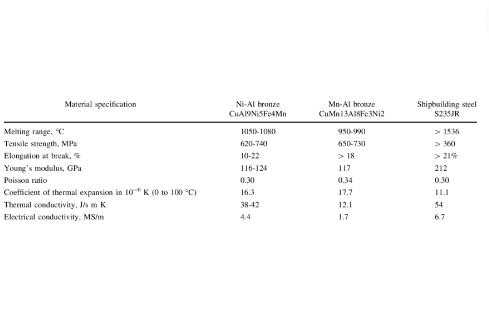
Since aluminum is itself diamagnetic, this doesn’t alter the absence of magnetism in bronze. Aluminum bronze has long been prized for its strength and anti-corrosive properties, which are suitable when used in marine environments or structural parts.
Manganese Bronze
A bronze alloy, with the addition of manganese. Manganese bronze, like other types of bronze, is not magnetic. This does not add much to the alloy’s magnetic properties because manganese is non-magnetic.
Leaded Bronze
Like copper and tin, lead is also diamagnetic. When lead is added to bronze, this doesn’t change the overall magnetic nature of the metal, which remains unattracted by magnets. Bearing applications often use leaded bronze because it is more lubricated and wears less quickly.
Iron-Tin Bronze
The slight amount (generally 1-3 %) of iron included in this alloy does indeed make it ferromagnetic. But although the diamagnetic effect of copper and tin is pronounced overall, a trace amount of iron can produce a very weak attraction to powerful magnets. However, this type of bronze was sometimes employed in the manufacture of ancient tools and weapons because it was somewhat harder.
Uses of Bronze Non-Magnetic Property
As a non-magnetic material, there are many ways you can use bronze. Some common applications include:
Non-Magnetic Tools
Magnetic metals are tough to handle and will affect magnetic instruments such as MRI machines or compasses near which people should not be permitted. With bronze tools, you don’t run into these problems either, and equipment can be relied upon to maintain its navigation accuracy.
Electrical Components
Some electrical equipment, especially precision control instruments and displays, may go awry if they respond to the vagaries of stray magnetic fields. Because bronze is not magnetic, it works well for parts such as bearings, connectors, and housings that must allow intact signals to pass through them.
Performance Enhancement (Bearings).
The low friction and self-lubricating properties of bronze and its resistance to magnetic fields make it ideal for bearings in delicate instruments such as telescopes or scientific apparatus. It also reduces noise, wear, and interference, ensuring precision and long life.
Marine Applications
Bronze propellers and bearings will not rust or wear out in saltwater or interfere with a ship’s compass. Shipbuilding requires bronze fasteners and fittings for its durability, corrosion-resistance properties, plus the lack of magnetic interference it causes to shipboard electronics.
Explosive Handling
Sparks from ferrous metals can ignite flammable materials, so bronze tools are used in dangerous areas. In addition to this was handling explosives, chemicals, and fuels in mining, oil and gas exploration, or chemical processing plants.
FAQs
Can Magnet Stick on Bronze?
Of course, a magnet cannot adhere to bronze. Copper and tin are not magnetically magnetic metals, so they cannot exist separately in bronze. Hence, bronze is not magnetic.
What is the Degree of Permeability in Bronze Magnet?
Even the magnetic permeability of bronze is virtually that of free space. In other words, bronze has almost no magnetic tendency whatsoever.
Conclusion
Bronze’s non-magnetic dance with magnets unlocks a world of possibilities. It is uniquely suited to delicate applications requiring accuracy by making it possible for spark-free implements. Bronze, on the other hand, does not adhere to magnets.
More Resources:
Is Tin Magnetic – Source: HM
Bronze Magnetism – Source: Techie Scientist
Is Copper Magnetic – Source: HM